

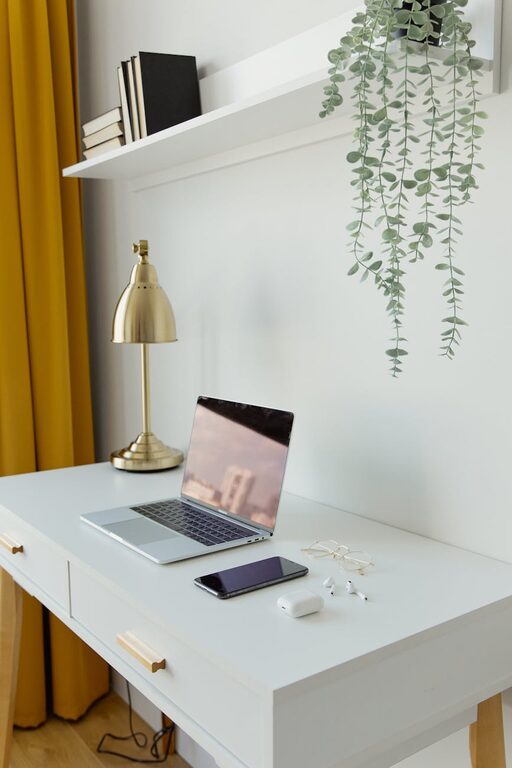
Creating an effective home office workspace is essential for anyone working remotely or managing tasks from home. A well-designed setup helps increase productivity, improve focus, and maintain a healthy work-life balance. Whether you have a dedicated room or just a small corner, these tips will guide you in setting up an efficient and comfortable home office.
Choose the Right Location
Find a Quiet and Private Spot
Select a space in your home that offers minimal distractions. A quiet area helps reduce noise interruptions and allows you to concentrate better. If a dedicated room isn’t available, consider using a less trafficked corner or a spot near a window with good natural light.
Consider Lighting and Ventilation
Good lighting is crucial. Natural light boosts mood and reduces eye strain. Position your desk near a window if possible. For overcast days or evening work, invest in a quality desk lamp with adjustable brightness. Adequate ventilation is also important to keep the air fresh and maintain comfort during long work hours.
Invest in Comfortable and Ergonomic Furniture
Select an Ergonomic Chair
Investing in a comfortable, ergonomic chair can prevent back and neck pain. Look for chairs with adjustable height, lumbar support, and cushioned seating. Sitting correctly can make a big difference to your health and productivity.
Choose the Right Desk
Your desk should be at a height where your arms can rest comfortably while typing. If space allows, consider a desk with enough surface area to hold your computer, documents, and other essential tools. Standing desks or adjustable sit-stand desks are excellent options to change positions throughout the day.
Organize Your Workspace
Keep It Clutter-Free
A tidy desk reduces distractions and helps you find what you need quickly. Use storage bins, filing cabinets, or shelves to keep papers and supplies organized. Regularly declutter your workspace to maintain order.
Use Cable Management Solutions
Cables can quickly become messy and distracting. Use cable clips, sleeves, or under-desk trays to keep wires organized and out of sight.
Equip Your Home Office with Essential Tools
Reliable Technology
Ensure you have a reliable computer or laptop and a stable internet connection for smooth work. Additional monitors can increase productivity by making it easier to multitask.
Quality Accessories
Invest in a good keyboard and mouse that fit your working style. Noise-cancelling headphones can help block distractions, especially in busy households.
Design a Workspace That Inspires You
Personalize the Area
Add elements that make the environment pleasant and motivate you. Consider plants, artwork, or inspirational quotes. However, avoid over-decorating, as too many items can become distracting.
Choose Calming or Neutral Colors
Colors influence mood and concentration. Neutral tones like soft whites, grays, or pastels create a calming atmosphere, while brighter accents can add energy.
Establish Boundaries Between Work and Home Life
Set Work Hours
Define clear work hours to avoid overworking and to improve work-life boundaries. Communicate these times with family members or roommates to respect your workspace.
Use Physical or Visual Dividers
If your workspace is part of a shared room, use room dividers, curtains, or bookshelves to create a visual separation between your office and living areas.
Maintain Good Work Habits
Take Regular Breaks
Stand up, stretch, or take a short walk every hour to avoid fatigue. Breaks can boost creativity and focus.
Keep Hydrated and Snack Smartly
Keep a water bottle nearby and opt for healthy snacks to maintain energy levels throughout the day.
Maximize Productivity with Efficient Workflow
Prioritize Tasks
Use planners, to-do lists, or digital apps to organize tasks based on priority. This helps you stay focused and manage time effectively.
Minimize Distractions
Turn off unnecessary notifications and set your phone on silent during work hours.
—
Creating an effective home office workspace takes some planning, but the benefits are worth it. By choosing the right location, investing in ergonomic furniture, organizing your tools, and setting clear boundaries, you’ll build a workspace that supports your productivity and well-being. Start small and make adjustments as you go to find what works best for you. Happy working!