

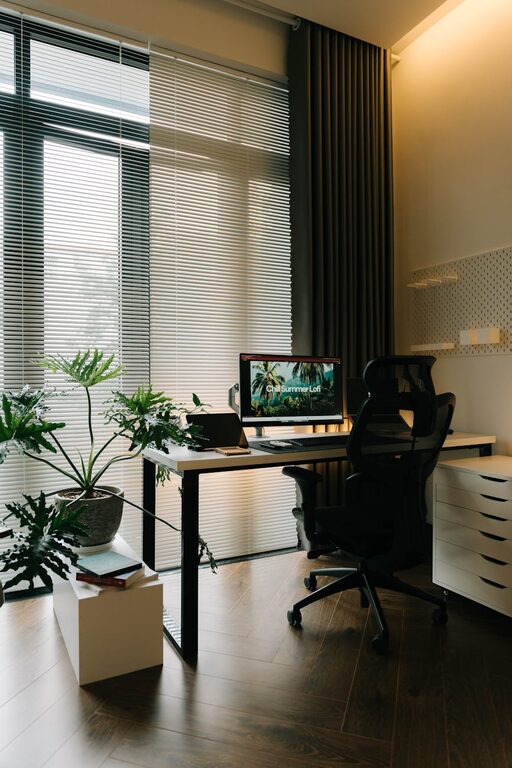
Creating a relaxing home office environment is essential for maintaining focus, reducing stress, and enhancing overall productivity. Whether you work from home full-time or occasionally, your workspace plays a big role in how you feel and perform throughout the day. Here are some practical tips to help you design a calm and inviting home office that supports your needs.
1. Choose the Right Location
The first step in creating a relaxing home office is selecting the right spot. Ideally, pick a quiet area away from household distractions. If space is limited, consider using a corner of a room with good natural light.
Consider natural light
Natural light boosts mood and energy. Try placing your desk near a window to take advantage of daylight. If that’s not possible, use full-spectrum bulbs that mimic natural light to brighten your workspace.
2. Invest in Comfortable Furniture
Comfort matters when you spend several hours working at home.
Desk and chair
Choose an ergonomic chair with good lumbar support to prevent back pain. Your desk should be the right height to keep your arms at a comfortable angle while typing. Adjustable desks that allow you to alternate between sitting and standing are an excellent option.
Accessories for comfort
Add a footrest or a cushion to improve your posture if needed. A wrist rest for your keyboard and mouse can also reduce strain during long work sessions.
3. Keep Your Workspace Organized
A tidy workspace is less stressful and increases focus.
Declutter regularly
Keep your desk clear of unnecessary items. Use drawers, shelves, or storage boxes to organize your supplies and documents out of sight.
Use organizers
Desk organizers, trays, or file holders can help keep your stationery and papers neat and within easy reach.
4. Personalize Your Space
Adding personal touches makes your workspace more inviting and relaxing.
Decorate thoughtfully
Include items that inspire you or bring joy, such as photos, art prints, or a small plant. Choose calming colors like soft blues, greens, or neutrals for decor elements or wall paint to promote relaxation.
Incorporate natural elements
Plants improve air quality and have a calming effect. You don’t need a green thumb—low-maintenance options like succulents or snake plants are perfect for home offices.
5. Control Noise Levels
Noise can be distracting and stressful.
Use soundproofing techniques
If possible, choose a room with a door or add weather stripping to reduce outside noise. Rugs, curtains, and upholstered furniture can also help absorb sound.
Play background music or ambient sounds
Some people find white noise, soft music, or nature sounds helpful for concentration and relaxation. Use headphones or a small speaker to keep the volume moderate.
6. Optimize Lighting
Good lighting reduces eye strain and improves mood.
Layer your lighting
Combine ambient lighting with task lighting like a desk lamp. Adjustable lamps that allow you to direct light exactly where you need it are ideal.
Avoid glare
Position your monitor to prevent glare from windows or overhead lights. Consider using anti-glare screen protectors if necessary.
7. Maintain Comfortable Temperature and Air Quality
Physical comfort affects your ability to relax and concentrate.
Ensure proper ventilation
If your office feels stuffy, open a window periodically to circulate fresh air, or use an air purifier to keep the air clean.
Control temperature
Use fans, heaters, or air conditioning to maintain a comfortable temperature throughout the day.
8. Establish Boundaries and Break Routines
A relaxing home office is more than just physical space; it includes how you use it.
Set work hours
Stick to a schedule to separate work time from personal time. This helps avoid burnout and keeps your mind clear.
Take regular breaks
Step away from your desk every hour to stretch and rest your eyes. Short breaks improve productivity and reduce stress.
Conclusion
Creating a relaxing home office environment involves thoughtful planning of your space, furniture, lighting, and daily habits. By incorporating these simple tips, you can transform your home workspace into a comfortable and calm area that supports your well-being and helps you work at your best every day. Remember, a peaceful office is a productive office!